Both systems underpin. Both transfer a settling structure's load onto soil that will carry it. They arrive at that result through different physics, and the difference is not a preference. It is a site condition.
This is the comparison the foundation repair market searches most and gets answered worst, usually by a contractor who installs one of the two. We manufacture both categories of product, so here is the version without a thumb on the scale.
If settlement itself is the question rather than the repair method, start with Foundation Settlement? How Helical Piers and Underpinning Stop It for Good.
01How does a push pier work?
A push pier, also called a resistance pier, is a steel tube section driven vertically into the ground by a hydraulic ram. The reaction force comes from the structure itself: a bracket is attached to the footing, the ram pushes against that bracket, and the building's weight is what allows the pier to advance.
Sections are added and driven until the pier meets refusal, which means it has reached strata dense enough to resist further advancement, often bedrock or a very dense bearing layer. Capacity is a function of that refusal resistance, measured through hydraulic pressure at installation.
The system's logic depends entirely on the structure being heavy enough to serve as the reaction mass. That is its strength and its constraint at the same time.
02How does a helical pier work?
A helical pier is a steel shaft with one or more helix plates near the tip, rotated into the ground by a hydraulic drive head. The helix plates pull the pier down through weak material until they reach a bearing stratum with adequate strength.
Capacity develops through bearing on the helix plates, not through end resistance at refusal. Because the pier is torqued rather than pushed, capacity is verified through installation torque and the manufacturer's published torque correlation factor. A pier finishing at 5,000 foot pounds with a factor of 10 indicates roughly 50,000 pounds of ultimate capacity. That number is recorded per pier.
The structure's weight is irrelevant to installation, because the drive head supplies the force rather than the building.
03Side by side
| Push Piers | Helical Piers | |
|---|---|---|
| Installation force | Hydraulic ram reacting against structure weight | Hydraulic drive head applying torque |
| Capacity source | End bearing at refusal on dense strata | Bearing on helix plates in competent soil |
| Capacity verification | Hydraulic pressure at refusal | Installation torque, documented per pier |
| Needs bedrock or dense strata | Yes, within reachable depth | No |
| Structure weight required | Yes, substantial | No |
| Light structures | Poor fit | Strong fit |
| Tension and uplift loads | Not suitable | Suitable |
| New construction | Not applicable | Standard use |
| Typical depth behavior | Drives until refusal, depth unpredictable | Advances to target torque in competent soil |
04When are push piers the right call?
Push piers earn their place under specific conditions.
- Heavy structures. Multi-story masonry, commercial buildings, and structures with substantial dead load supply the reaction force the system needs and are well matched to the capacities push piers deliver.
- Dense strata or bedrock within reach. Where a competent bearing layer exists at a drivable depth, end bearing at refusal is a clean, direct load path.
- Soils that resist rotation. Certain dense granular profiles and conditions with obstructions can make rotating a helix plate difficult where straight driving is not.
In those conditions, a push pier is the correct product and a good contractor will say so.
05When are helical piers the right call?
- Light structures. This is the clearest divide. Single story homes, slab on grade construction, porches, stoops, chimneys, additions, and light commercial buildings frequently lack the weight to drive a push pier to adequate refusal. Helical piers do not care, because the drive head supplies the force.
- No bedrock within reach. Across large regions, competent bearing exists in soil rather than rock. Helix bearing develops capacity in that soil. A push pier looking for refusal may never find it.
- Variable soil profiles. Torque readings give continuous feedback during installation, so the crew knows what the pier is passing through and where it has landed.
- Capacity verification per pier. Every pier produces a documented torque reading tied to a published correlation factor. On a project where an engineer or inspector needs evidence, this is evidence.
- Tension, uplift, and lateral load. Helix plates resist withdrawal. Push piers have no tension capacity at all. Any repair involving uplift, overturning, or tieback conditions rules push piers out on physics.
- New construction. The same product line installs under new structures, where there is no building yet to push against.
06What about crawl spaces and light additions?
Crawl space repair is where the distinction bites hardest. Crawl space foundations, pier and beam systems, and the additions attached to them are among the lightest structures in residential construction, and they are exactly the structures that lack the dead load a push pier needs.
Helical piers with appropriate brackets, along with adjustable support systems for interior beam and girder support, handle this work routinely. A contractor proposing push piers under a light crawl space structure is proposing a system that may not reach adequate refusal.
07What both systems require from the bracket
Whichever system a project uses, the bracket carries the structure's load through an eccentric connection to the footing, and that connection governs more repairs than people expect.
Bracket capacity should be published independently of pier capacity, because the bracket is frequently the limiting element in the assembly. Retrofit underpinning brackets, lift brackets, and heavy duty configurations each carry their own ratings, and an assembly is only rated to its lowest rated component.
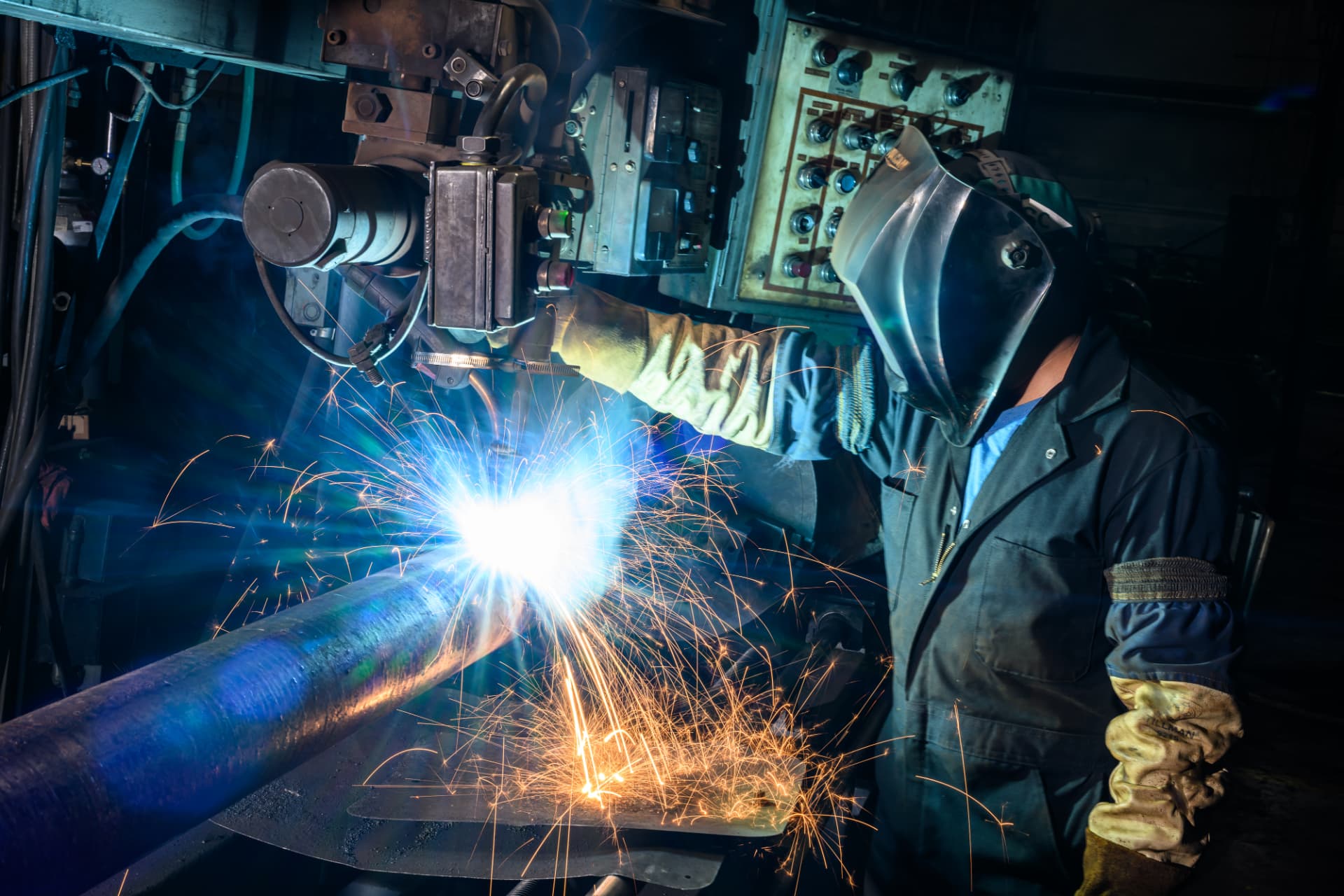
We manufacture both underpinning brackets and pier systems, and the ratings are published rather than quoted on request. On the helical side, every shaft is joined by patented inertia welding, which matters most here: on repair work the load concentrates at the coupling, and that is the joint people discover the quality of at the worst possible time.
The right underpinning system is decided by structure weight and soil profile, not by which product a contractor stocks on the truck. Any assessment that skips those two variables is a sales call.
Our engineering team supports repair contractors and design professionals on pier selection, bracket configuration, and capacity across both system types. Request a quote and bring the structure details.
Frequently Asked Questions
Push piers are hydraulically driven using the structure's weight as the reaction force and develop capacity at refusal on dense strata or bedrock. Helical piers are rotated into the ground and develop capacity through helix plates bearing in competent soil, with capacity verified by installation torque. Push piers need a heavy structure and reachable dense strata. Helical piers need neither.
Neither is better across the board. Push piers suit heavy structures where dense bearing strata sit within drivable depth. Helical piers suit lighter structures, soils with no bedrock in reach, projects requiring tension or uplift capacity, new construction, and any job where per pier capacity verification is required.
Usually not well. Push piers rely on the structure's weight to generate the reaction force needed to drive the pier to adequate refusal. Single story homes, slab on grade construction, porches, chimneys, and crawl space foundations frequently lack that weight, which is why helical piers are standard on light structure repair.
Push pier capacity is inferred from hydraulic pressure at refusal. Helical pier capacity is verified through installation torque applied to the manufacturer's published torque correlation factor, typically between 8 and 12, producing a documented capacity figure for each individual pier.
Rarely a good fit. Crawl space and pier and beam structures are among the lightest in residential construction and generally cannot supply the reaction mass a push pier requires. Helical piers with appropriate brackets, plus interior beam and girder support, are the standard approach.