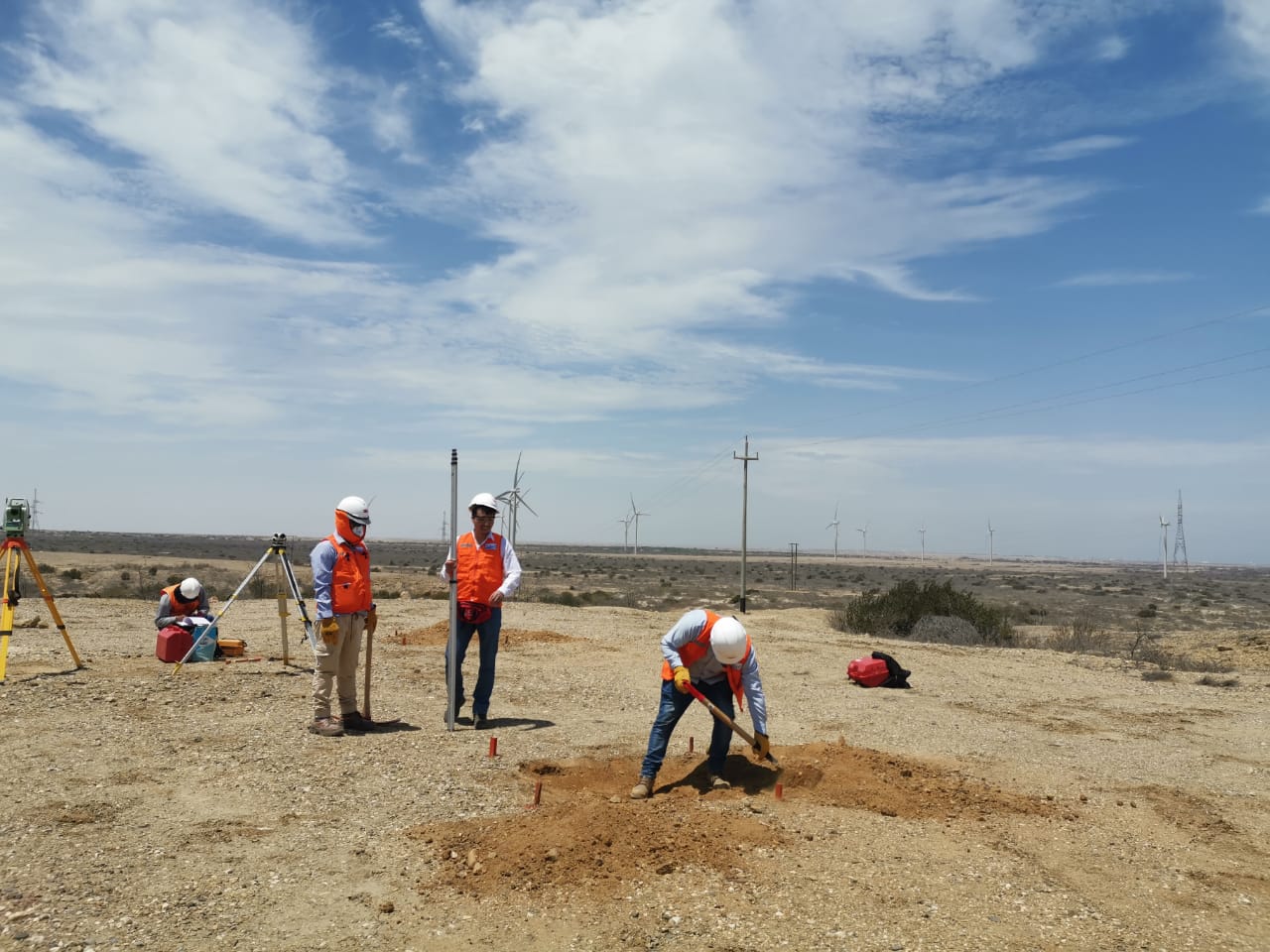
A solar array is a bet that a piece of hardware will sit in a field, unmoved, for thirty years. The modules get the attention and the foundations get a line item, which is backwards: foundations are among the first construction activities on a solar project, they sit on the critical path, and a foundation problem discovered in year six is the most expensive kind there is. Here is why ground mount solar, from community scale to utility scale, has standardized on the helical pile, and what separates a pile that survives a PPA term from one that does not.
01Why Does Ground Mount Solar Use Helical Piles?
Solar foundations are a different problem from building foundations, and helical piles happen to fit it almost perfectly.
The load is upward. A building presses down; a solar array mostly tries to fly. Wind hitting tilted modules generates uplift and the racking transfers it straight into the foundation. Helix plates seated deep in the soil resist tension as effectively as compression, which is the core structural reason the geometry took over this industry. The mechanics are covered in our guide to how helical piles work.
The quantity is enormous. A utility scale site needs thousands of foundations. Anything involving excavation, forming, concrete trucks, and cure time collapses under that arithmetic. Piles rotate in one after another, at production rates concrete cannot approach, with full load capacity the moment each pile hits torque.
The schedule is financed. Solar construction runs against interconnection deadlines, tax credit timelines, and seasonal windows. A foundation system with no cure time and no weather sensitivity takes an entire risk category off the critical path.
The site must come back. Land leases and decommissioning bonds increasingly require full removal. A helical pile backs out of the ground the way it went in. A concrete block or grout column does not.
02What Forces Actually Govern Solar Foundation Design?
Three, and only one of them is the weight of the array.
Wind uplift and lateral load. The governing case on most sites. Design wind events try to peel arrays off the ground and rack them sideways, so the foundation's tension and lateral capacity, not its compression capacity, usually size the pile.
Frost jacking. In cold climates, seasonal frost grabs shallow foundations and ratchets them upward a little more each winter. On a tracker site, a few posts jacked out of tolerance can bind an entire row. Helical piles defeat the mechanism twice: the helix bears below the frost layer, and the smooth round shaft gives frozen soil almost nothing to grip.
Corrosion. A pile that meets its loads in year one and loses section to corrosion by year fifteen fails a 30 year PPA quietly. Soil resistivity surveys plus hot dip galvanizing to ASTM A123 are the standard answer, with galvanized service life engineered beyond 75 years, more than double a typical project term.
03How Do Helical Piles Compare to Driven Posts and Ballast?
The solar industry uses three foundation families. The honest comparison:
Driven posts, typically W6 or C channel steel hammered into the ground, are fast and cheap where soils cooperate. Their weaknesses: refusal in rocky or dense soils forces predrilling that erases the cost advantage, capacity is verified only by sampled load testing, and in frost prone or expansive soils an unhelixed post has nothing anchoring it against uplift and jacking.
Ballasted foundations, concrete blocks sitting on grade, exist for one reason: sites where penetration is prohibited, such as capped landfills. Everywhere else they import the industry's least favorite material by the truckload and give wind a tall lever arm to work against.
Helical piles cost more per unit than a driven post on easy ground and earn it back everywhere ground is not easy: sites with frost, high design winds, variable soils, or lenders who want capacity documentation. Every pile arrives at depth with a torque log proving what it holds, which turns foundation QA from a sampling exercise into a complete dataset, one record per foundation. Our full comparison of deep foundation systems covers the same tradeoffs in the building world.
On mixed sites, the smart answer is often hybrid: driven posts through the forgiving areas, helical piles through the rock shelf, the wetland edge, and the high wind exposure, with the same variables that drive helical pile pricing deciding where the line falls.
04What Should a Developer Demand from the Pile Manufacturer?
At solar volumes, small manufacturing differences multiply by ten thousand. Four demands separate suppliers:
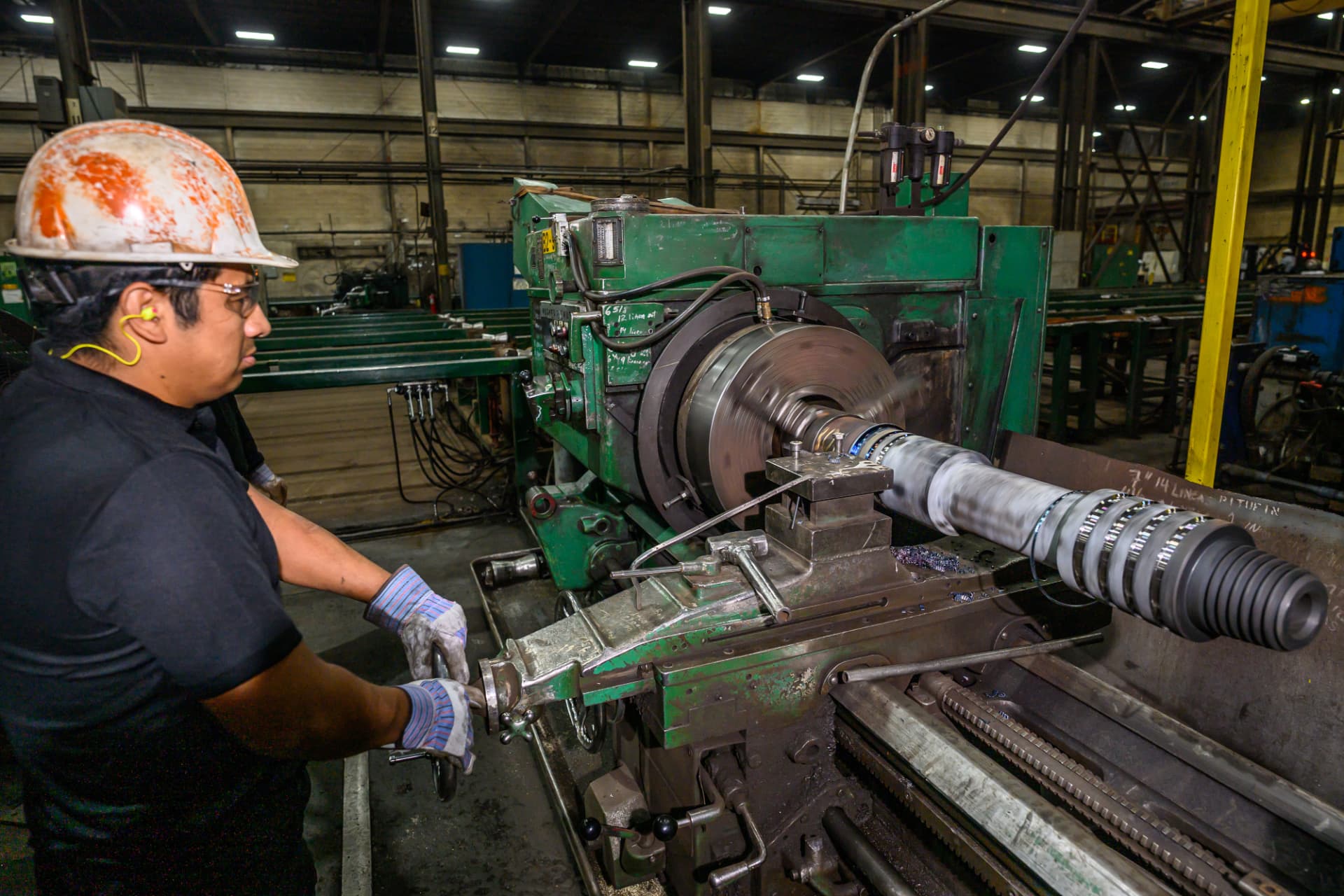
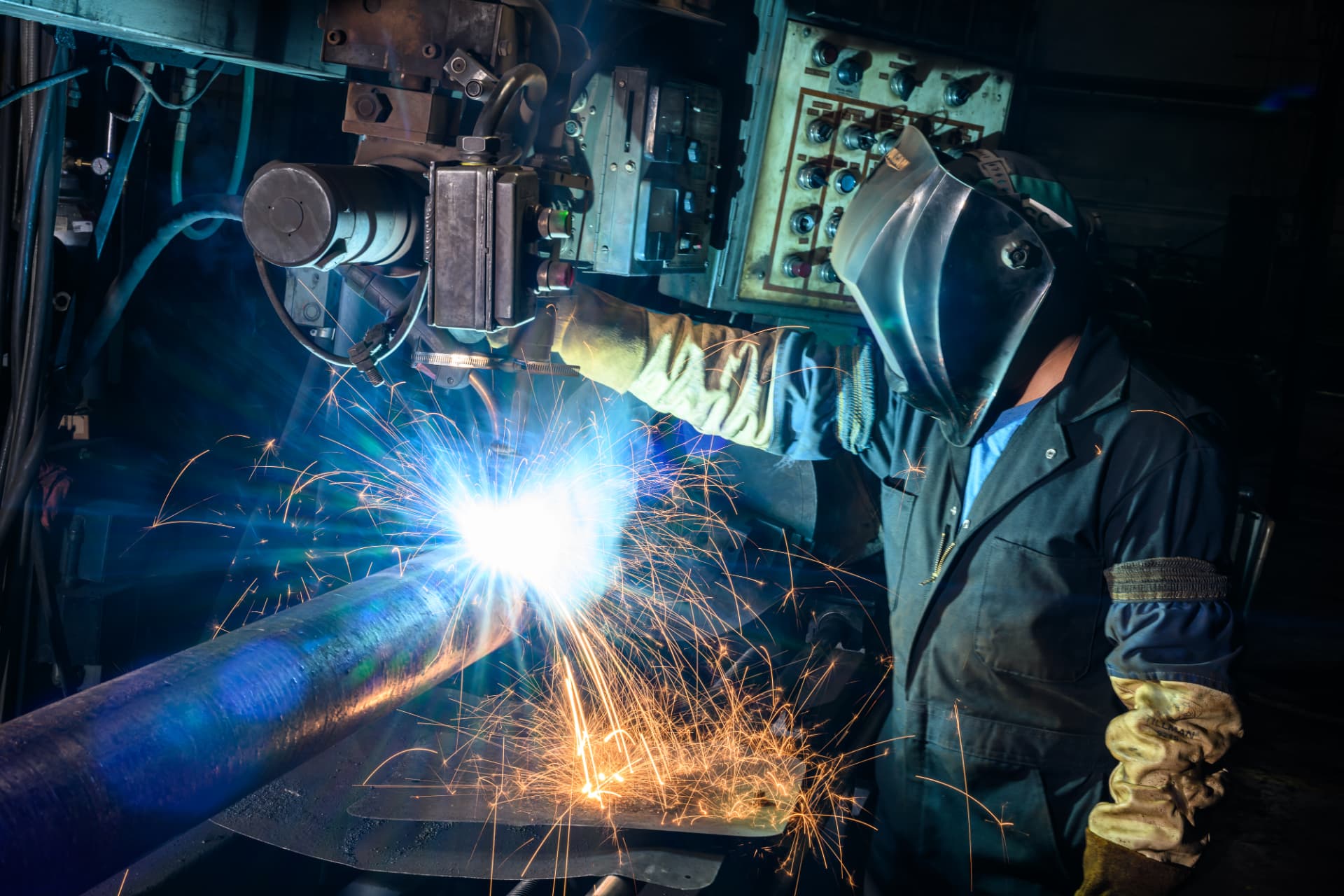
A weld that survives installation torque. The helix to shaft weld carries the full twisting force of installation in refusal prone ground, thousands of times per site. Helical Anchors joins plate to shaft with patented inertia welding (US 8,777,520), a filler free friction weld with roughly twice the shear strength of a conventional gusset weld, so plates arrive at depth where the design put them.
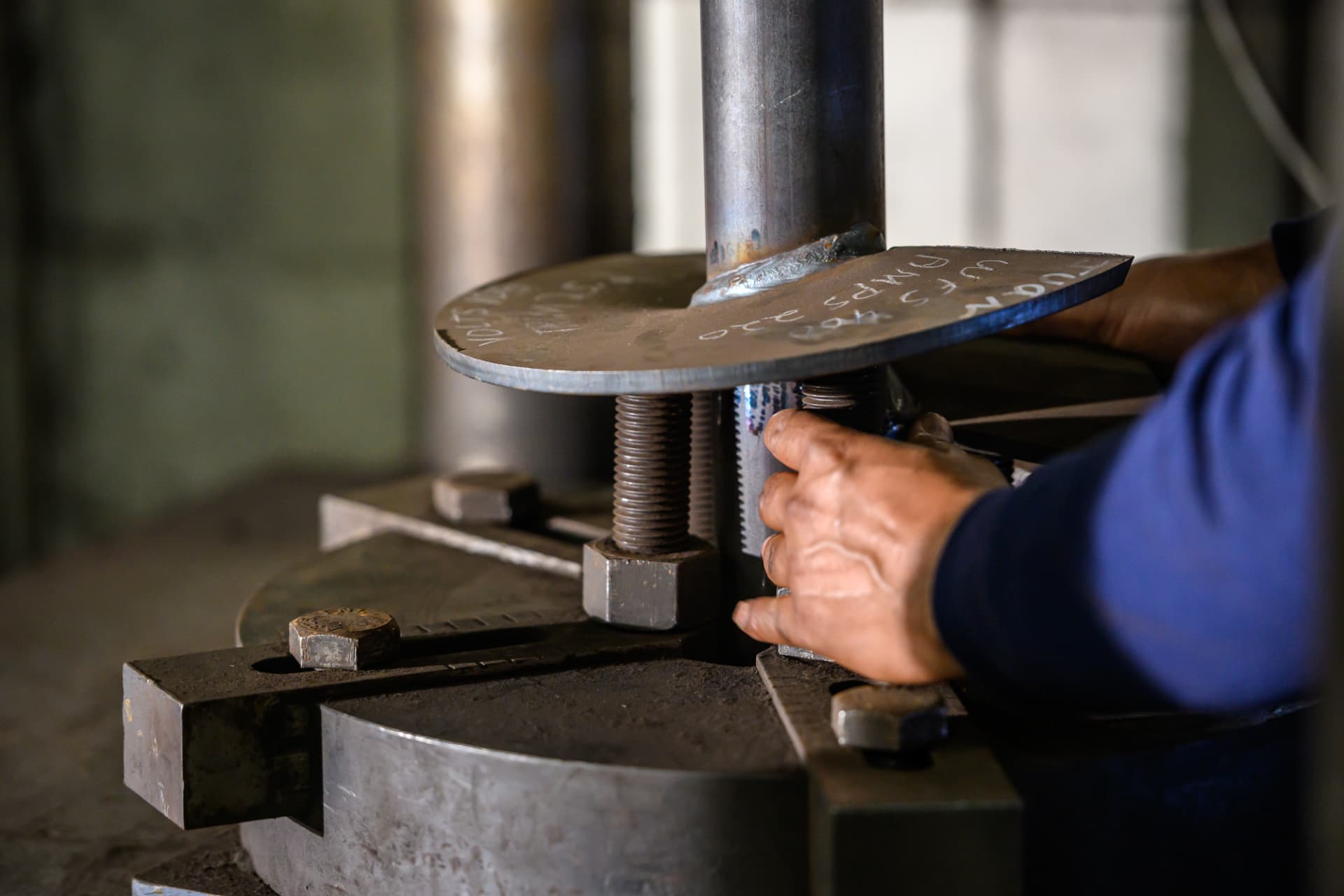
Proof, not brochures. ICC-ES evaluation report ESR-3982, ISO 9001 manufacturing, destructive batch testing, and documented torque to capacity correlation. If a supplier cannot produce the paper, the lender's engineer eventually asks why.
Engineering to the site, not the catalog. Helix count, plate diameter, shaft size, and embedment designed from the geotech report and pull test program, then adjusted when the ground surprises everyone, because it will.
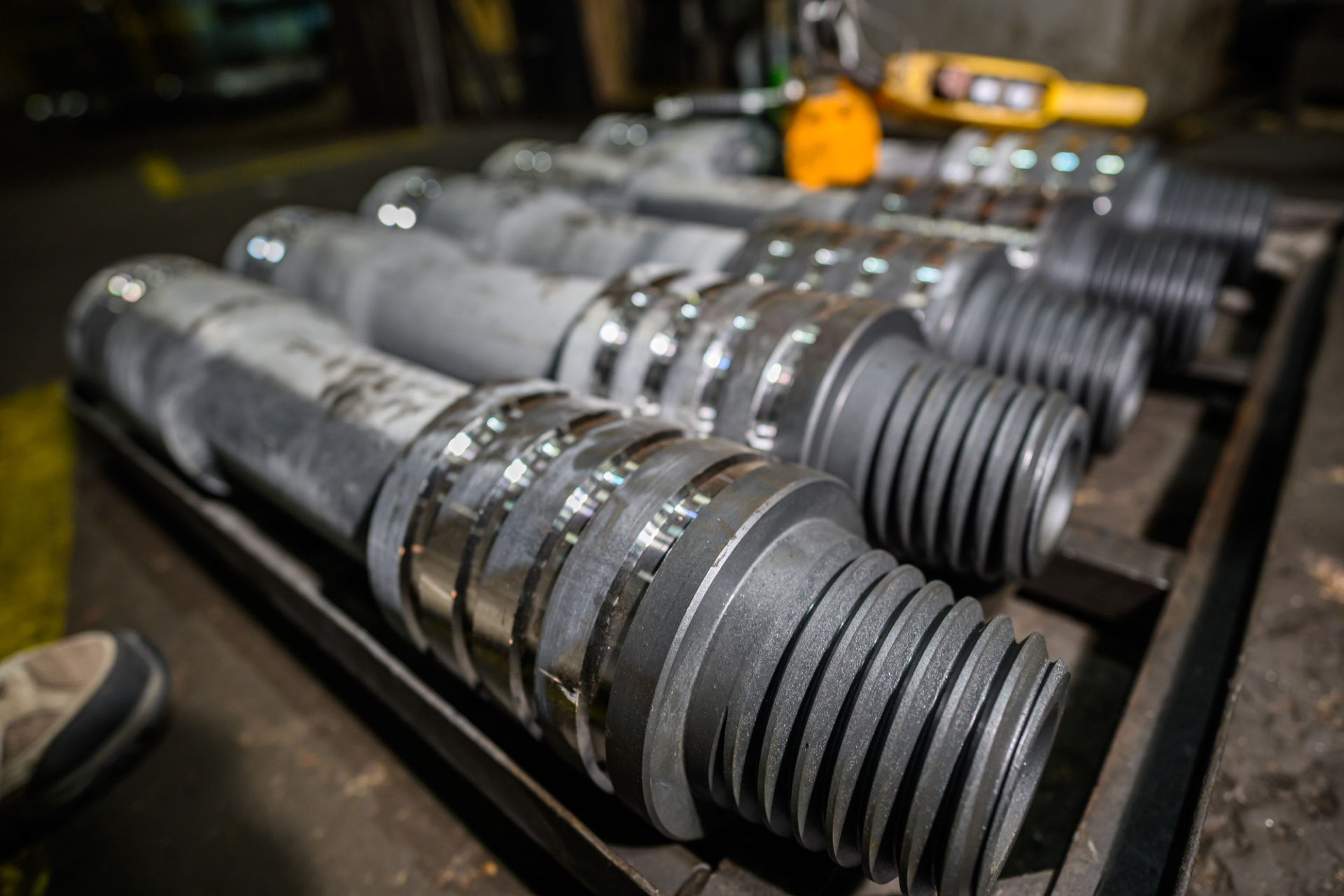
Supply at construction speed. Foundations lead the schedule, so the supplier's throughput is the project's throughput. Manufacturing in Minneapolis with 48 hour mobilization on inventory and two week turnaround on custom configurations keeps pile crews ahead of racking.
Frequently Asked Questions
Functionally, yes. "Ground screw" is the solar industry's term for a screw form foundation; "helical pile" is the engineering term. Both describe a steel shaft with helical plates rotated into the soil. Specifications, capacities, and manufacturing quality vary widely under both names.
Yes. Single axis trackers are sensitive to post position and elevation, and helical piles suit them well because torque verified bearing and adjustable coupling hardware hold every post to tolerance, while below frost embedment prevents the seasonal jacking that binds tracker rows.
Rock refusal affects every penetrating foundation, but helical piles offer more answers: reconfigured helix geometry, larger installation torque through stronger welds, predrilling only where needed, and per pile torque data showing exactly where the ground changed. A pull test program during design catches most of it before construction.
Typically 7 to 20 feet depending on soil, frost depth, and wind loads, with embedment set by the tension demand rather than the compression demand on most sites. The geotech report and load calculations govern, not a standard number.
Yes. Helical piles reverse out of the ground with the same equipment that installed them, leaving no concrete behind, which simplifies decommissioning plans and land restoration obligations in lease agreements.